
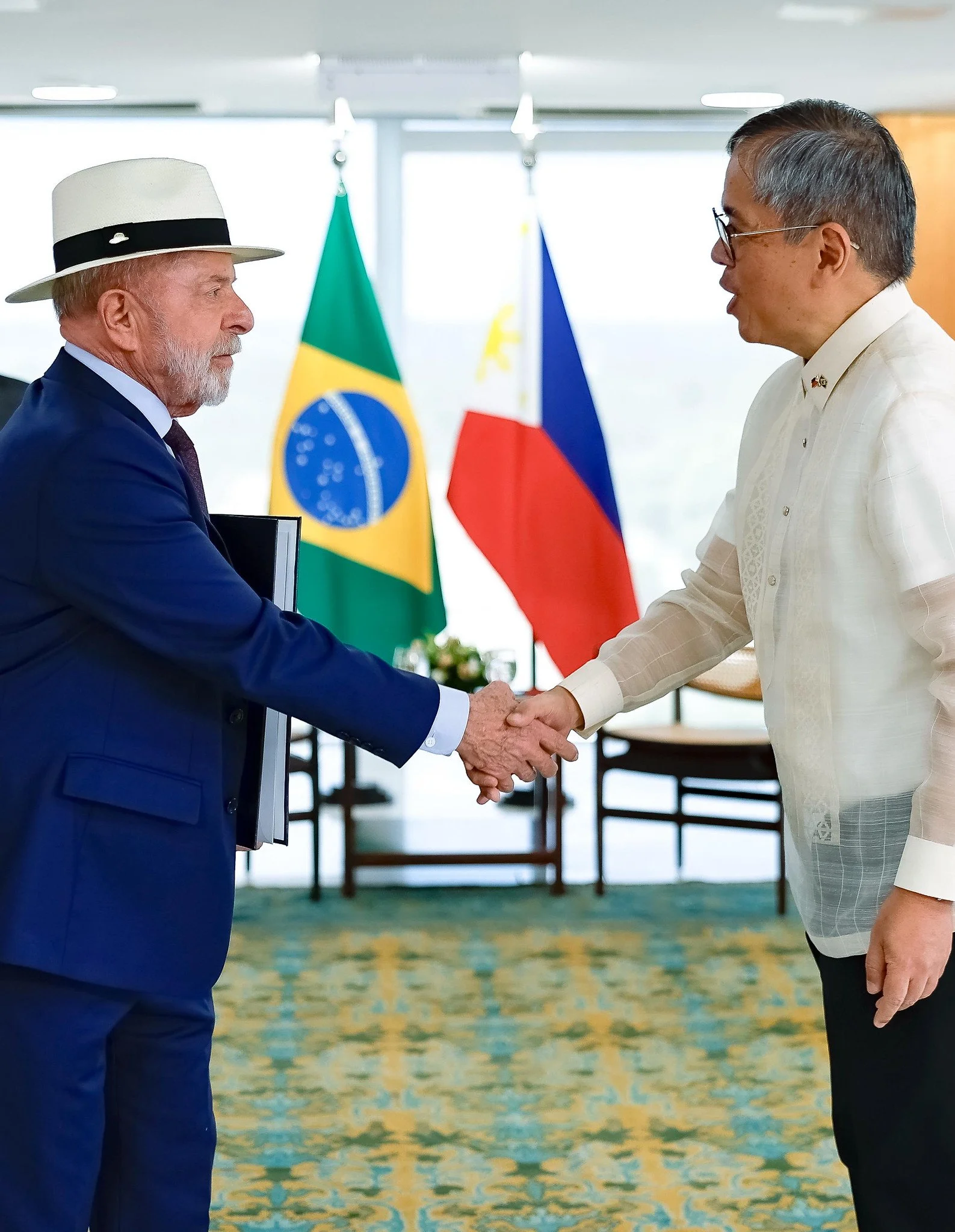
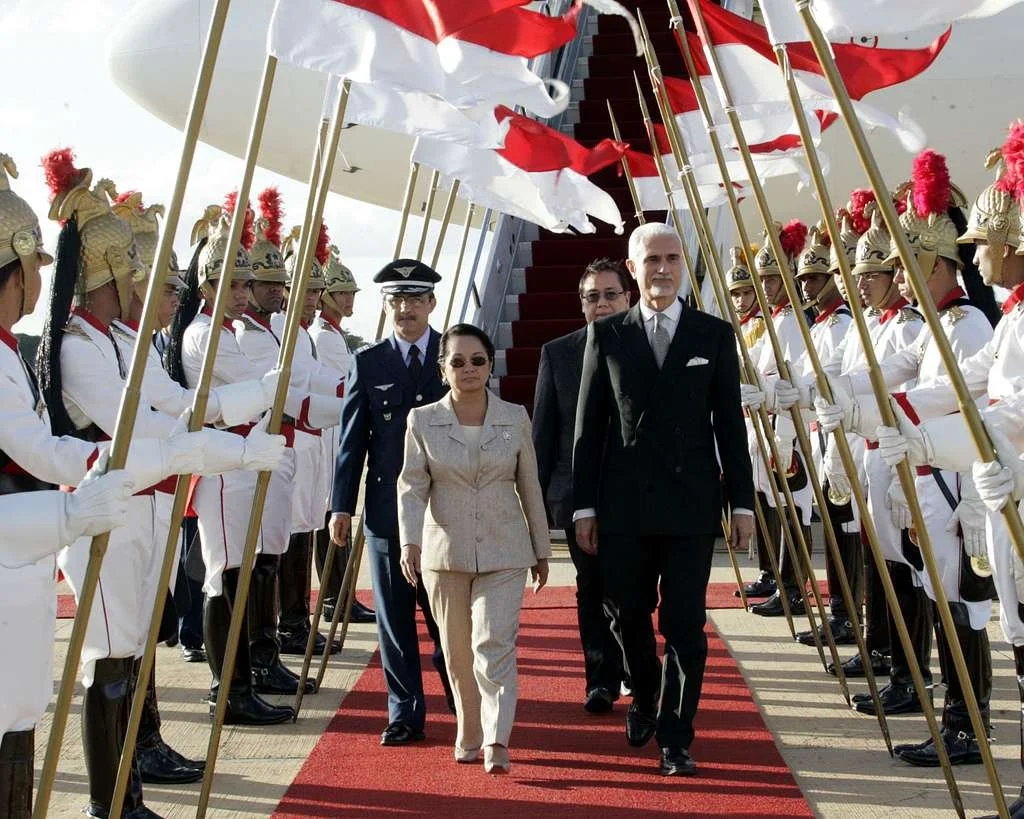

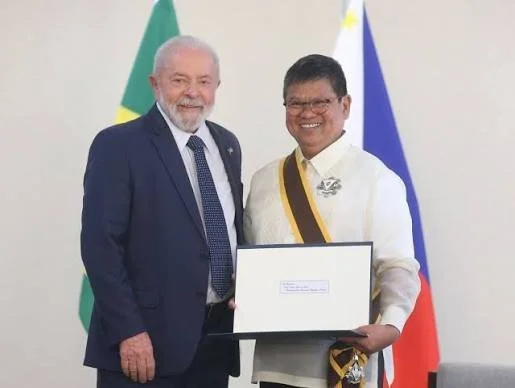
Diplomatic relations between the Republic of the Philippines and the Federative Republic of Brazil were established in July 1946.
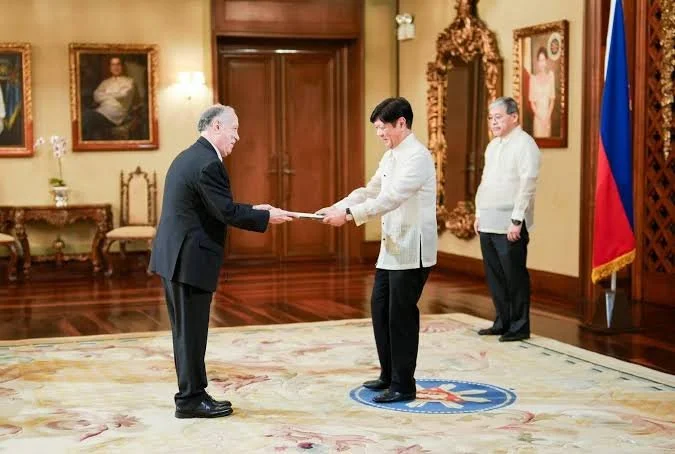
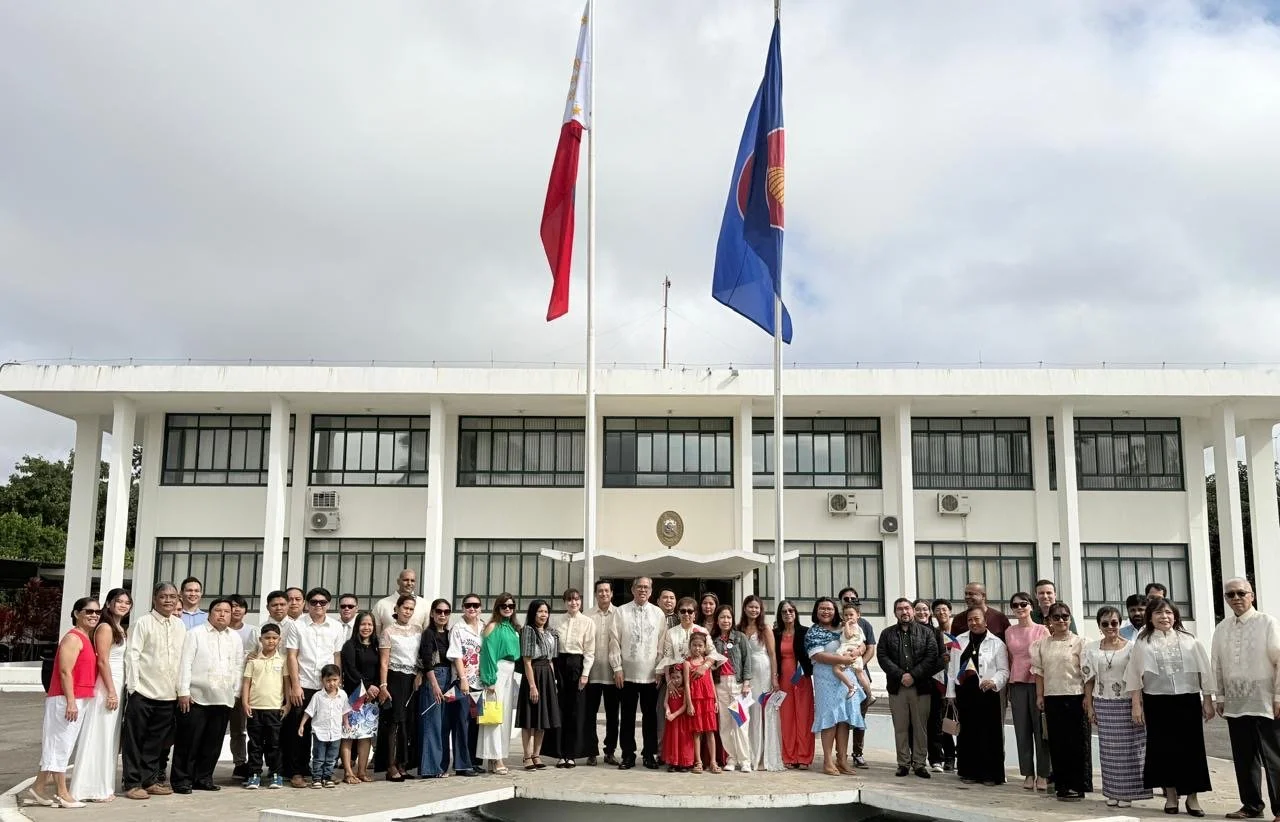
Over the decades, this partnership has steadily matured from tentative beginnings into a strong bilateral bond. To formalize these ties, the first Philippine chancery was opened in Rio de Janeiro in 1965, later relocating to the new capital city of Brasília in 1973.
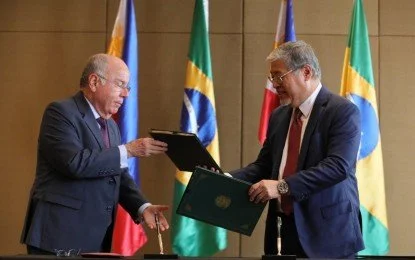
A historic turning point occurred in August 2024 when Minister Mauro Vieira made the first-ever official visit by a Brazilian Foreign Minister to Manila. Meeting with Philippine Foreign Affairs Secretary Enrique Manalo, the visit yielded foundational agreements on educational cooperation, space collaboration between PhilSA and AEB, and a broad framework on technical cooperation, marking a major structural leap in bilateral relations.
Agriculture serves as a vital economic pillar for both nations, driving robust high-level engagement and technical exchange. Philippine initiatives have heavily prioritized learning from Brazil’s domestic success stories. Notable missions include a specialized 2015 congressional delegation that traveled to Brazil to study its transformative Fome Zero (Zero Hunger) social framework, and a strategic 2017 study tour led by Agriculture Secretary Emmanuel Piñol to integrate Brazilian Girolando cattle into the Philippine livestock modernization plan.
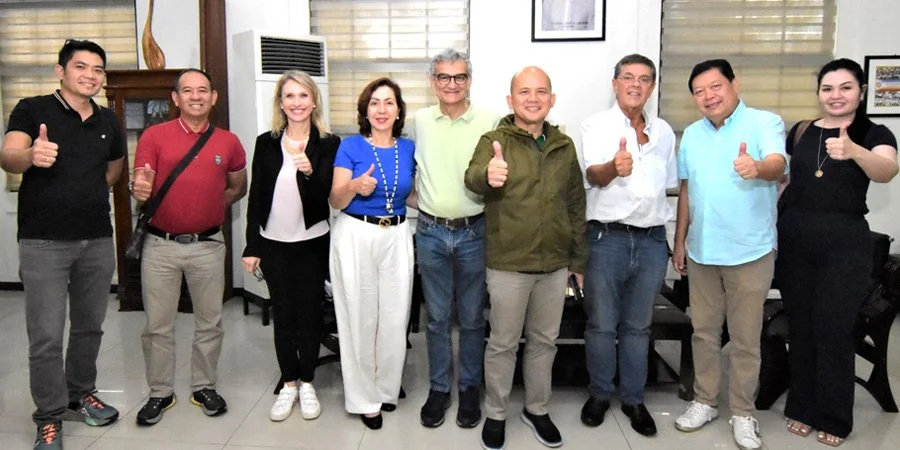
Conversely, Brazil has expanded its local presence by embedding a permanent Agricultural Attaché at its embassy in Manila. This cooperative spirit extends into the scientific realm, where researchers from the Brazilian Agricultural Research Corporation (EMBRAPA) collaborate closely with the International Rice Research Institute (IRRI) in Los Baños to advance global food security.
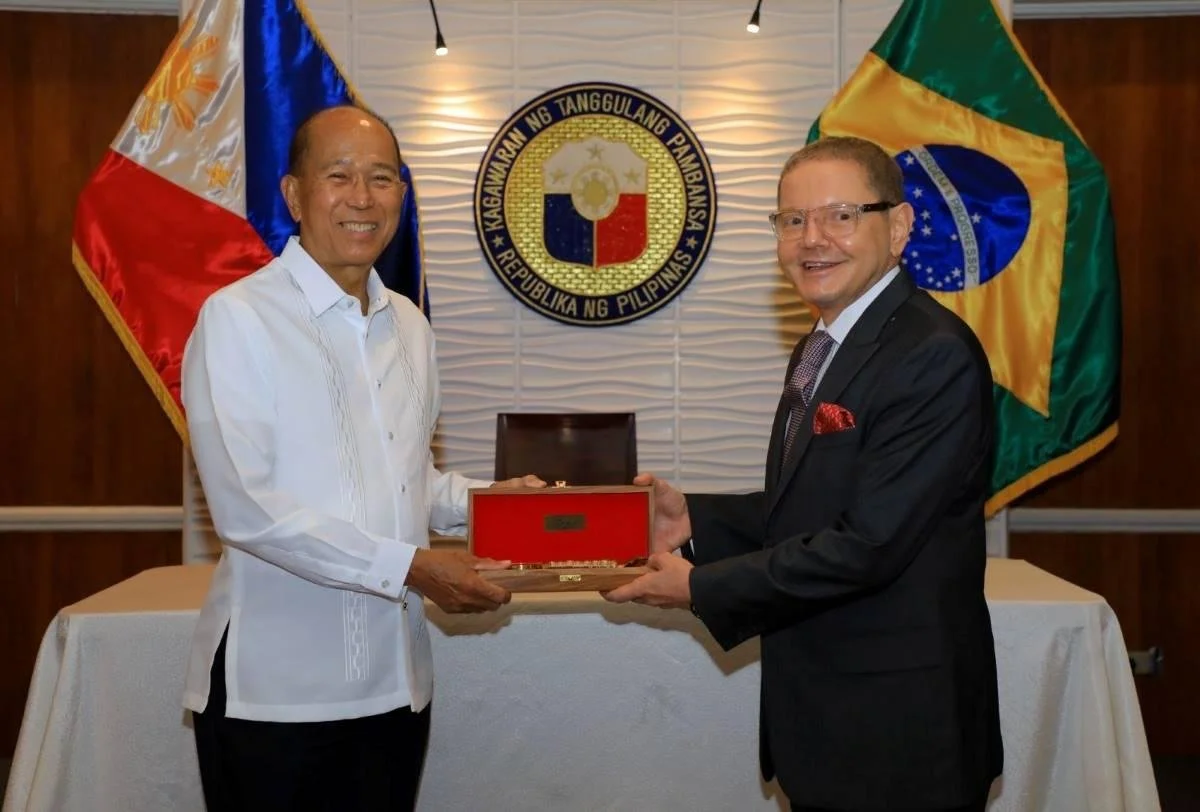
Economically, the modern relationship positions Brazil as the Philippines’ strategic gateway to Latin America, while the Philippines offers Brazil a vital entry point into the dynamic ASEAN market. Bilateral trade has experienced a notable surge, reaching approximately $2.4 billion USD—a 31% year-on-year increase. Brazil reliably exports critical food and metal supply lines like pig meat, poultry, and iron ore, while the Philippines exports high-tech manufactured goods such as integrated circuits and industrial computing components. This commercial momentum is further sustained by regular, specialized technical missions across various sectors, including financial procurement study tours by the Bangko Sentral ng Pilipinas, biosafety evaluations by the Department of Science and Technology, and multi-year defense procurement inspections led by the Philippine Department of National Defense.
Beyond trade, the two nations share a unique cultural affinity anchored by shared historical Iberian influences, which manifest in deeply rooted traditions of lively religious festivals, a passion for sports, and warm hospitality. This innate cultural connection facilitates a vibrant array of people-to-people exchanges, from young Brazilian academics exploring the Philippines through the Rotary Exchange Program to specialized partnerships in sports training and athletic development.
On the geopolitical stage, this bilateral affinity has translated into stronger multilateral ties, particularly through the Association of Southeast Asian Nations (ASEAN). With the enthusiastic backing of the Philippines, Brazil officially achieved the status of an ASEAN Sectoral Dialogue Partner. This milestone culminated in the establishment of Brazil's dedicated diplomatic mission to ASEAN and the formal adoption of the ASEAN-Brazil Practical Cooperation Areas, mapping out a coordinated regional approach to a green energy transition, climate action, and shared sustainable development goals.