The Philippines is a land rich in natural resources, breathtaking landscapes, and the warmest of welcomes. Here, everyone is invited to discover something to love — from captivating coastlines and vibrant native crafts to unforgettable culinary adventures, there is an experience waiting that feels uniquely your own.
Beyond these wonders, the Philippines offers countless opportunities. Whether in tourism, hospitality, manufacturing, or sustainable development, there are endless ways to grow your business and create meaningful connections here.
-
The population of the Philippines as of August 1, 2015 was 100,981,437, based on the 2015 Census of Population
-
The Philippines has two official languages --- Filipino and English. Filipino is based on Tagalog, and is the national language. English is also widely used and is the medium of instruction in higher education.
-
The first half of the year, from January to May, is the best time to visit the country. November to February is cool, while March to May is hot and dry. June to October is rainy, with the months between July and September characterized by typhoons. Average temperature is 78 degrees F/25 degrees C; average humidity is 77%. Some parts of the country such as Cebu, are warm and comfortable in all seasons and can be visited throughout the year.
-
The Philippines is made up of 7,107 islands covering a land area of 115,739 sq. m. (300,000 sq. km.). The main island groups are Luzon, Visayas, and Mindanao. The capital is Manila. Time Zone is GMT + 8 hours.
The Philippine National Anthem
"Lupang Hinirang" ('Chosen Land'), originally titled in Spanish as "Marcha Nacional Filipina" ('Philippine National March'), and also commonly and informally known by its incipit "Bayang Magiliw" ('Beloved Country'), is the national anthem of the Philippines.
The Philippines
History and People
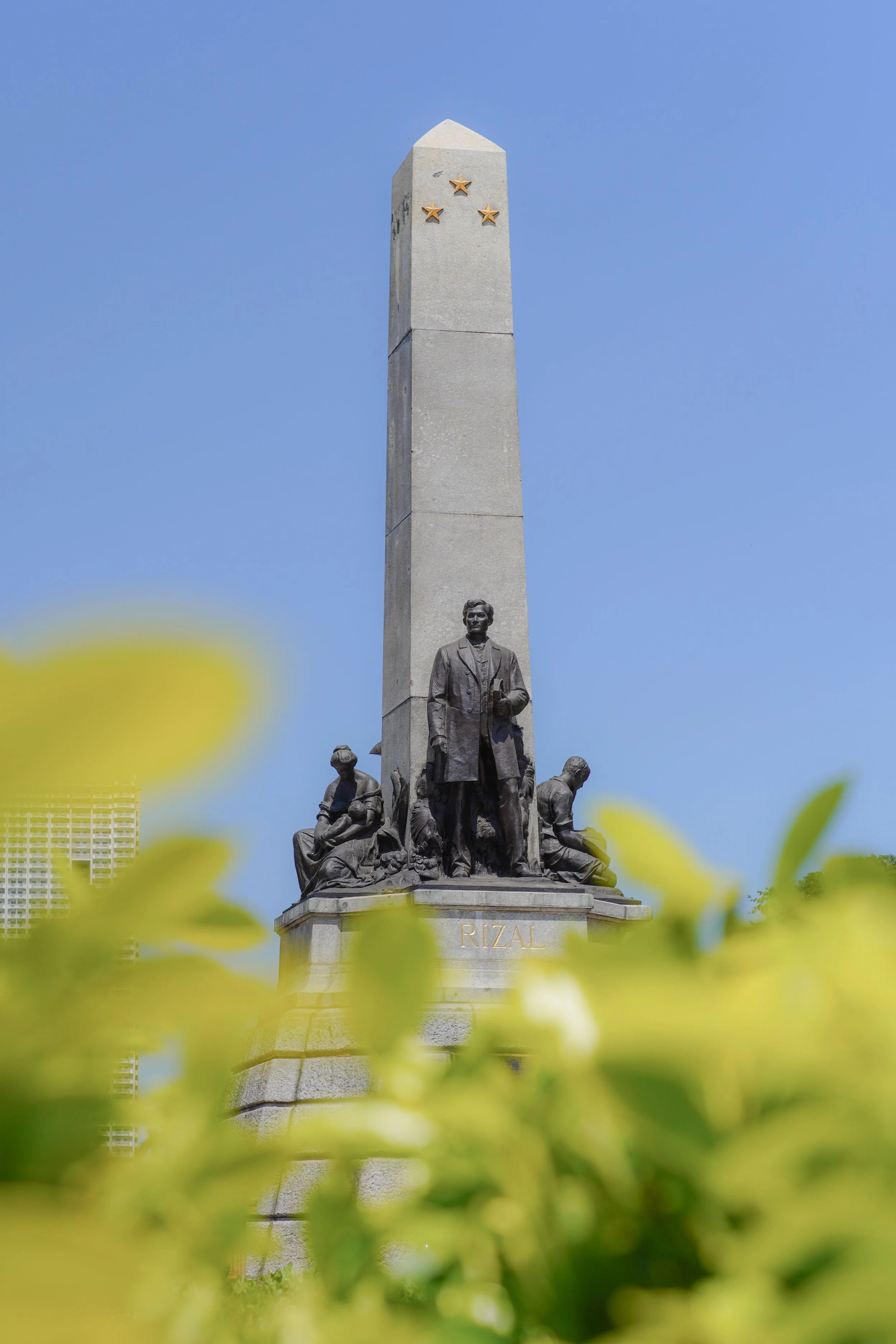
The Philippines is the third largest English speaking country in the world. It has a rich history combining Asian, European, and American influences. Prior to Spanish colonization in 1521, the Filipinos had a rich culture and were trading with the Chinese and the Japanese. Spain’s colonization brought about the construction of Intramuros in 1571, a “Walled City” comprised of European buildings and churches, replicated in different parts of the archipelago. In 1898, after 350 years and 300 rebellions, the Filipinos, with leaders like Jose Rizal and Emilio Aguinaldo, succeeded in winning their independence.
Geography
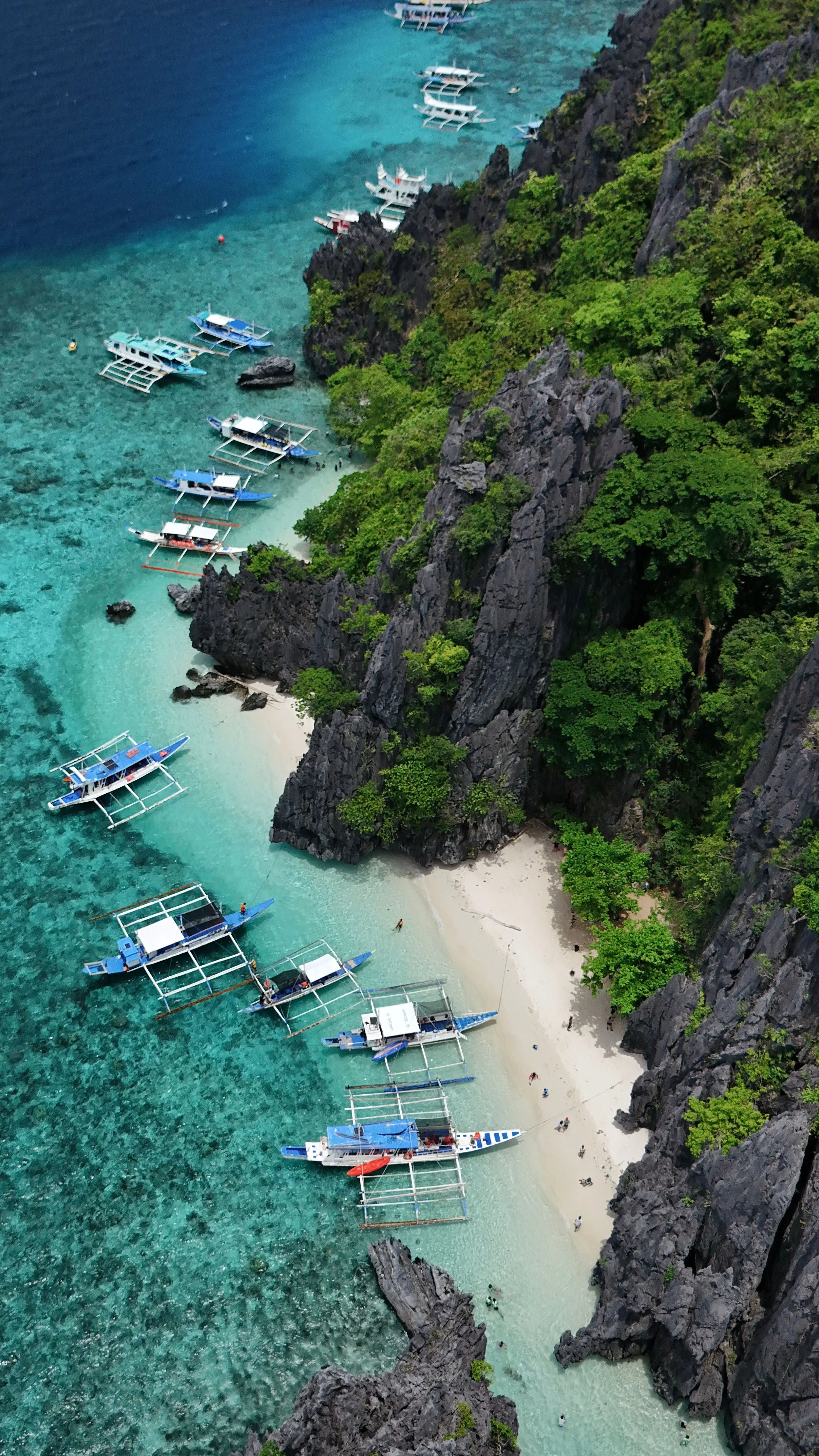
The Philippines stands at the crossroads of the developed western world and the Orient. It lies in the heart of Southeast Asia, stretching more than 1,840 kilometers. Composed of 7,641 islands, the Philippines is readily accessible to the different capitals of the world. Its three main islands are Luzon, Visayas and Mindanao.
Arts & Culture
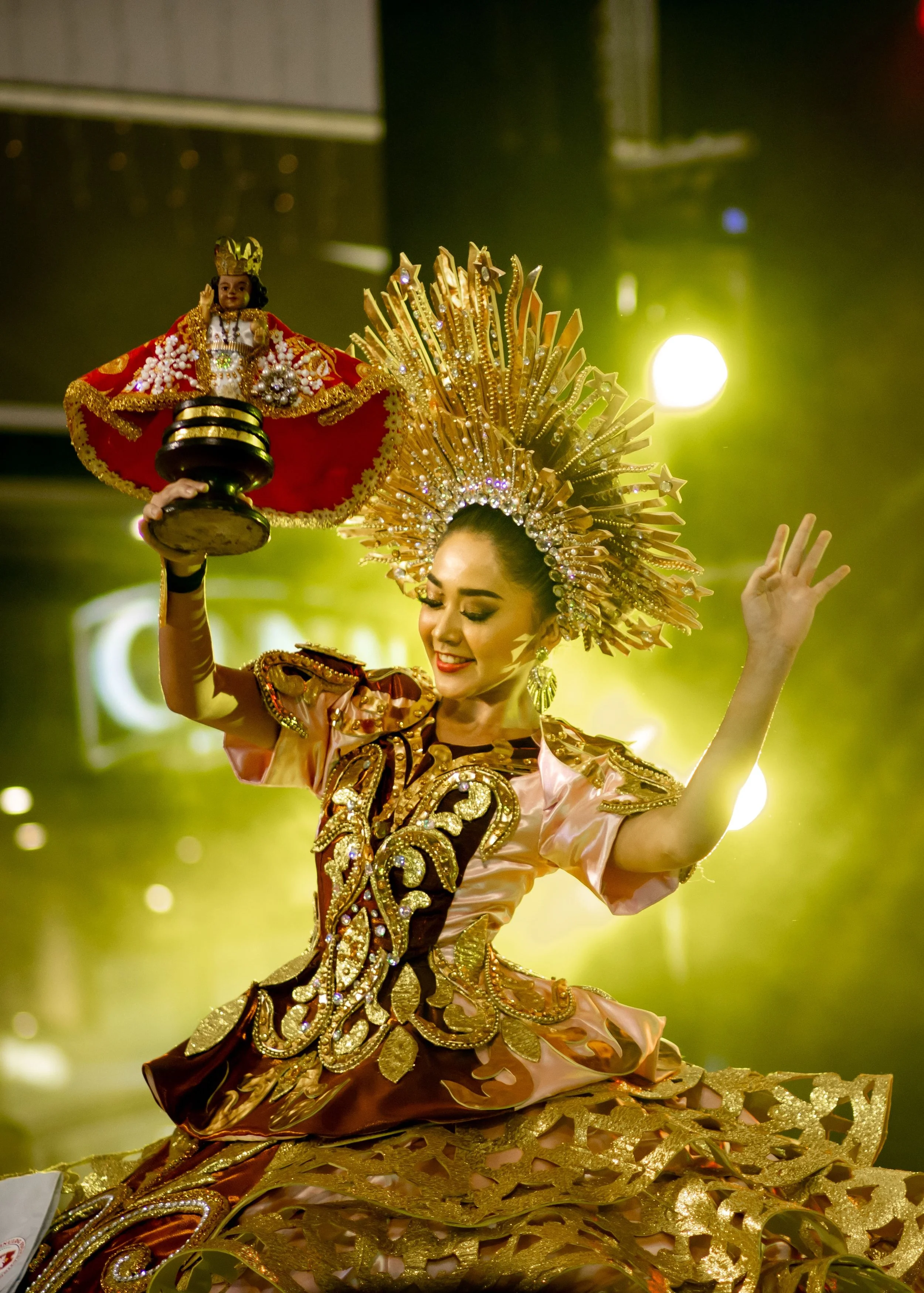
Philippine arts and culture are a vibrant blend of indigenous Austronesian roots, over 300 years of Spanish colonial heritage, and subsequent American and Asian influences. This rich tapestry is celebrated through traditional weaving, masterful painting, rhythmic folk dances, and colorful festivals that define the modern Filipino national identity.
Filipino culture is famously expressive, most notably during year-round festivals (fiestas) characterized by vibrant masks, elaborate costumes, and street dancing, such as the Sinulog and MassKara festivals.